Organic Farming & Certification in Telangana
Organic farming is a production system that focuses on maintaining the health of soils, ecosystems and farming communities. It relies on ecological processes, biodiversity, responsible resource management and farming practices adapted to local conditions.
Organic agriculture combines traditional knowledge, innovation and scientific understanding to support sustainable food production while protecting natural resources and promoting responsible relationships between people and the environment.
What Is Organic Farming?
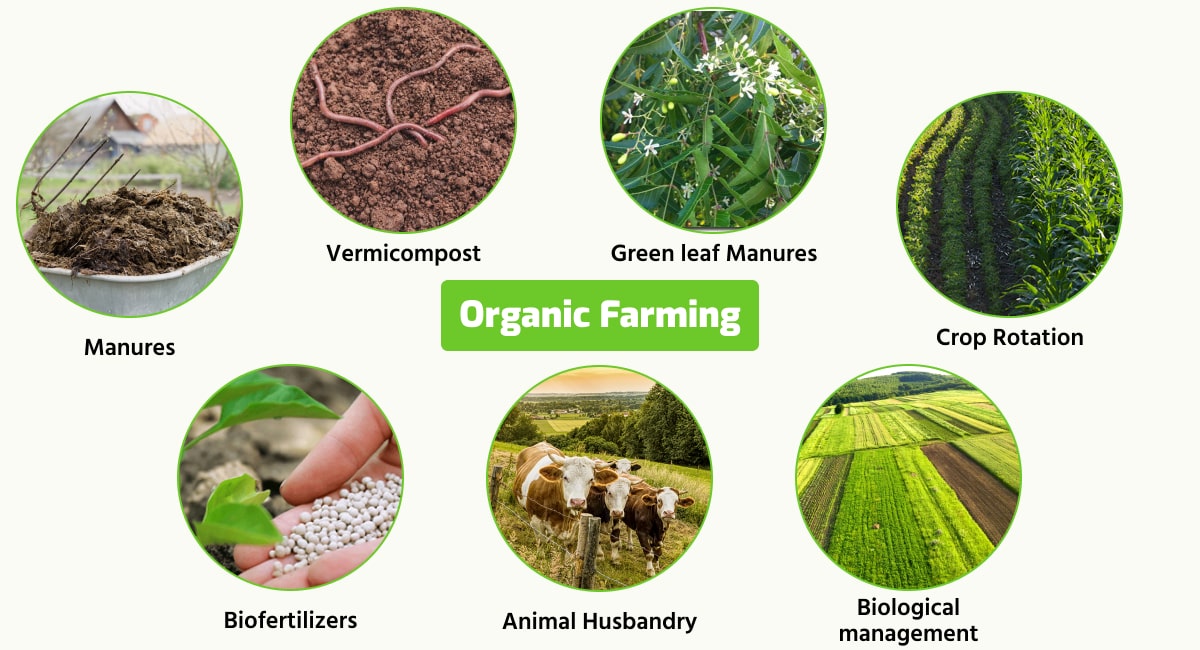
Organic farming is an agricultural system that emphasizes natural and ecological processes and generally avoids synthetic fertilizers and synthetic pesticides. It can include practices such as composting, crop rotation, green manuring, biological pest management and responsible soil management.
The objective of organic farming is to produce agricultural products while maintaining soil fertility, protecting natural resources and supporting environmental sustainability.
Role of Organic Farming in Sustainable Development
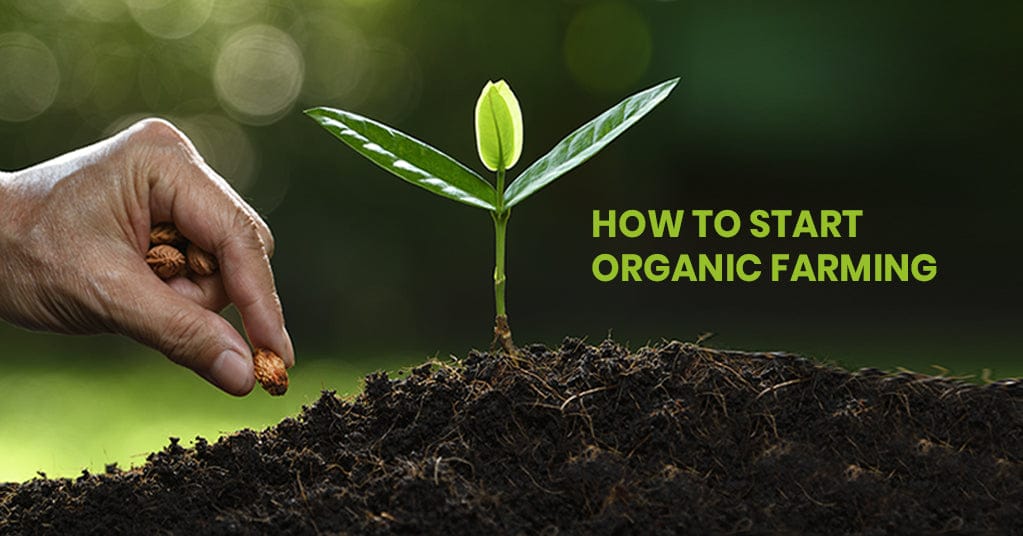
Organic farming can contribute to sustainable agricultural development by focusing on ecological balance, soil health and responsible resource use. Practices such as composting, crop rotation, green manuring and biological nutrient management can support soil fertility.
Organic farming also encourages biodiversity and responsible management of natural resources. Appropriate organic farming practices may help improve soil structure, water management and farm resilience.
At Bujjamma Goshala Trust, organic farming is promoted as part of a broader approach to sustainable agriculture. Through farmer awareness, training, organic input preparation and suitable cow-based agricultural practices, the Trust encourages farming communities to explore environmentally responsible approaches.
Benefits of Organic Farming
- Soil Health: Supports soil organic matter and biological activity through appropriate organic management.
- Environmental Protection: Reduces dependence on synthetic agricultural inputs and can support responsible soil and water management.
- Biodiversity Conservation: Diverse farming practices can support beneficial insects, birds and soil organisms.
- Resource Management: Organic farming encourages recycling of farm-generated biomass and responsible use of natural resources.
- Farm Resilience: Healthy soils and diversified farming systems can contribute to resilience under suitable local conditions.
- Farmer Opportunities: Certified organic products may provide access to specific markets where consumer demand exists.
Scope of Organic Farming in India
India has a diverse organic farming landscape, with organic agriculture initiatives being undertaken across different states. Farming systems vary according to local climate, soil conditions, crops, markets and farmer practices.
The growth of awareness about sustainable food, soil health and environmentally responsible agriculture has increased interest in organic farming and organic certification.
Importance of Organic Farming
Organic farming is an important approach to sustainable agriculture because it focuses on soil health, biodiversity, responsible resource use and ecological farming practices.
Appropriate organic farming practices can support long-term soil productivity and contribute to environmental conservation and sustainable rural livelihoods.
Key Components of Organic Farming
- Soil Health Management
- Organic Nutrient Recycling
- Composting and Green Manuring
- Biological Pest Management
- Crop Rotation and Crop Diversity
- Water Conservation
- Livestock Integration
- Sustainable Resource Management
Organic Farming Certification
Organic certification provides a framework for verifying whether agricultural production follows the requirements of a particular certification system. Farmers seeking certification should follow the applicable standards, documentation requirements, inspection procedures and compliance conditions.
Bujjamma Goshala Trust supports farmer awareness and certification-related activities under the applicable PGS-India framework for eligible farmers and farmer groups.
Farmers interested in certification should contact the Trust to understand the applicable process, requirements and documentation.
Organic Farming in Telangana
Telangana has a diverse agricultural economy with farmers cultivating a wide range of crops under different soil and climatic conditions. Sustainable soil management, water conservation, crop diversity and responsible input use are important considerations for long-term agricultural development.
Bujjamma Goshala Trust works to create awareness among farming communities about organic agriculture, natural farming and sustainable agricultural practices.
Bujjamma Goshala Trust and Organic Agriculture
Bujjamma Goshala Trust promotes an integrated approach connecting cow protection, sustainable agriculture, organic farming, natural farming and farmer development.
Through farmer awareness initiatives, training, guidance and certification-related support, the Trust aims to help farming communities understand sustainable agricultural practices and make informed decisions suitable for their farms.
Conclusion
Organic farming is an environmentally responsible approach to agriculture that emphasizes soil health, biodiversity, natural resource conservation and sustainable food production.
With appropriate farming practices, farmer awareness and reliable certification systems, organic agriculture can contribute to sustainable rural development.
Interested in Organic Farming or Certification?
Farmers interested in learning about organic farming, natural farming or PGS-India certification-related initiatives can contact Bujjamma Goshala Trust.